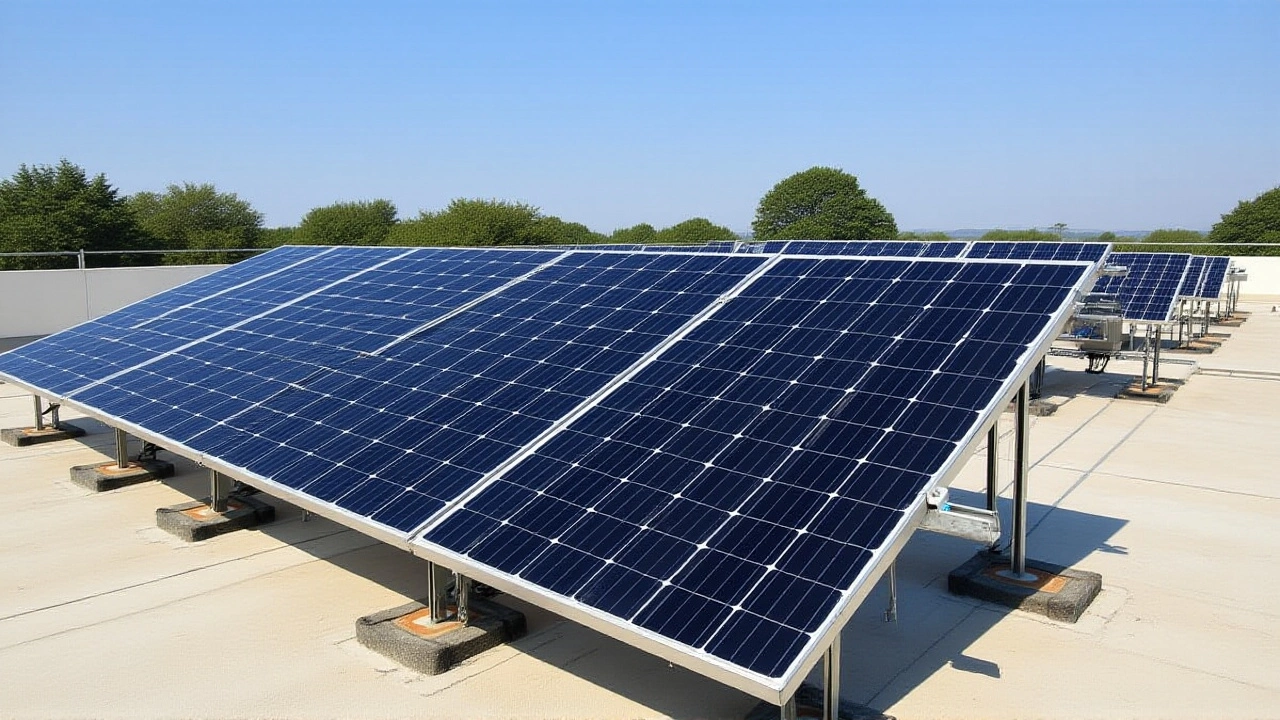
Here’s the thing about solar power that trips up a lot of homeowners: solar panels don’t actually shut down when it gets scorching hot. They keep working. But their performance? That takes a hit. As summer temperatures soar across major cities, many people notice their electricity bills aren’t dropping as much as expected, despite those shiny panels on their roofs.
The confusion stems from a common misconception. We associate sun with solar energy, so logic suggests more heat equals more power. Turns out, physics has a different plan. While sunlight drives the system, excessive heat acts like a brake on efficiency. It’s not a failure of the equipment; it’s just how semiconductor physics works.
The Physics Behind the Drop
To understand why your system underperforms in July compared to April, you have to look at how these modules are rated. Manufacturers test panels under Standard Test Conditions (STC). This is a controlled lab environment where the cell temperature sits at exactly 25°C (77°F), with an irradiance of 1,000 watts per square meter.
In the real world, however, things get messy. When a panel absorbs intense sunlight, its surface temperature can skyrocket. On a clear day with an ambient temperature of 40°C, the actual cell temperature inside the module can reach between 65°C and 75°C. That’s a massive jump from the 25°C baseline used for rating.
This gap matters because of something called the temperature coefficient of power. For most crystalline silicon panels—the standard type found on most rooftops—this coefficient ranges from -0.3% to -0.5% per degree Celsius above 25°C. Let’s break that down. If your cells are running 20 degrees hotter than the standard rating, you’re looking at a 6% to 10% drop in output. Push that to 40 degrees above standard, and you could see a loss of 12% to 20%. It’s not catastrophic, but it’s noticeable.
Why Voltage Takes the Hit
The reason for this decline lies in the materials themselves. Solar cells are made of semiconductors, typically silicon. As temperature rises, the voltage generated by the cell decreases. Current might increase slightly, but the drop in voltage outweighs that gain, leading to lower overall power output (since Power = Voltage × Current).
Interestingly, this doesn’t mean the panel is broken. In fact, high-quality modules are built to withstand extreme thermal cycling without degrading physically. The issue is purely electrical efficiency. Some inverters even have safety protocols that may temporarily limit output or shut down if internal temperatures exceed safe thresholds, but this is a protective measure, not a sign of failure.
Mitigating the Heat Impact
So, what can be done? Engineers and installers use several strategies to minimize these losses, especially in hot climates.
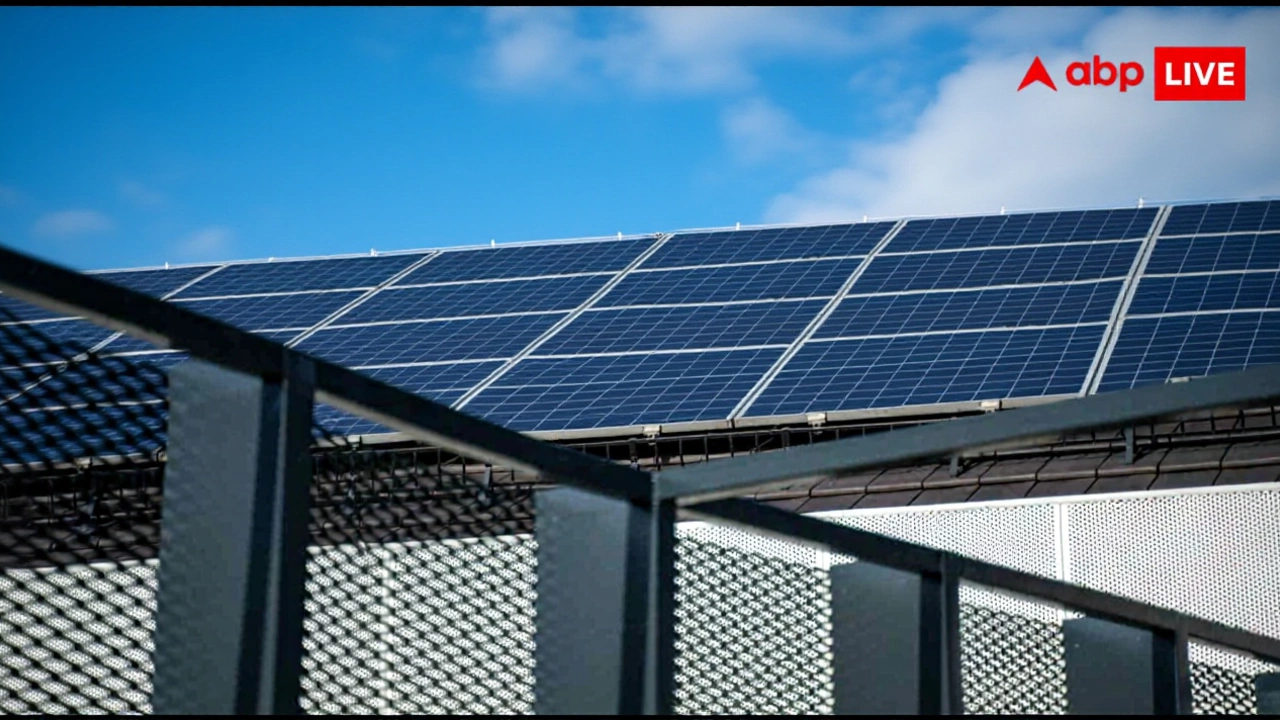
- Proper Ventilation: Ensuring there’s adequate airflow beneath the panels is crucial. Mounting systems that leave a gap between the roof and the module allow hot air to escape, keeping cell temperatures closer to ambient levels.
- Lighter Roof Colors: Dark roofs absorb heat and radiate it upward into the panels. Lighter-colored roofing materials reflect more sunlight, reducing the ambient heat load on the system.
- Module Selection: Not all panels are created equal. Some newer technologies, like certain thin-film or heterojunction cells, have better temperature coefficients (closer to -0.2%/°C) than traditional monocrystalline silicon options.
For existing installations, regular cleaning helps too. Dust and debris trap heat, exacerbating the problem. A clean panel runs cooler and cleaner.
What This Means for Consumers
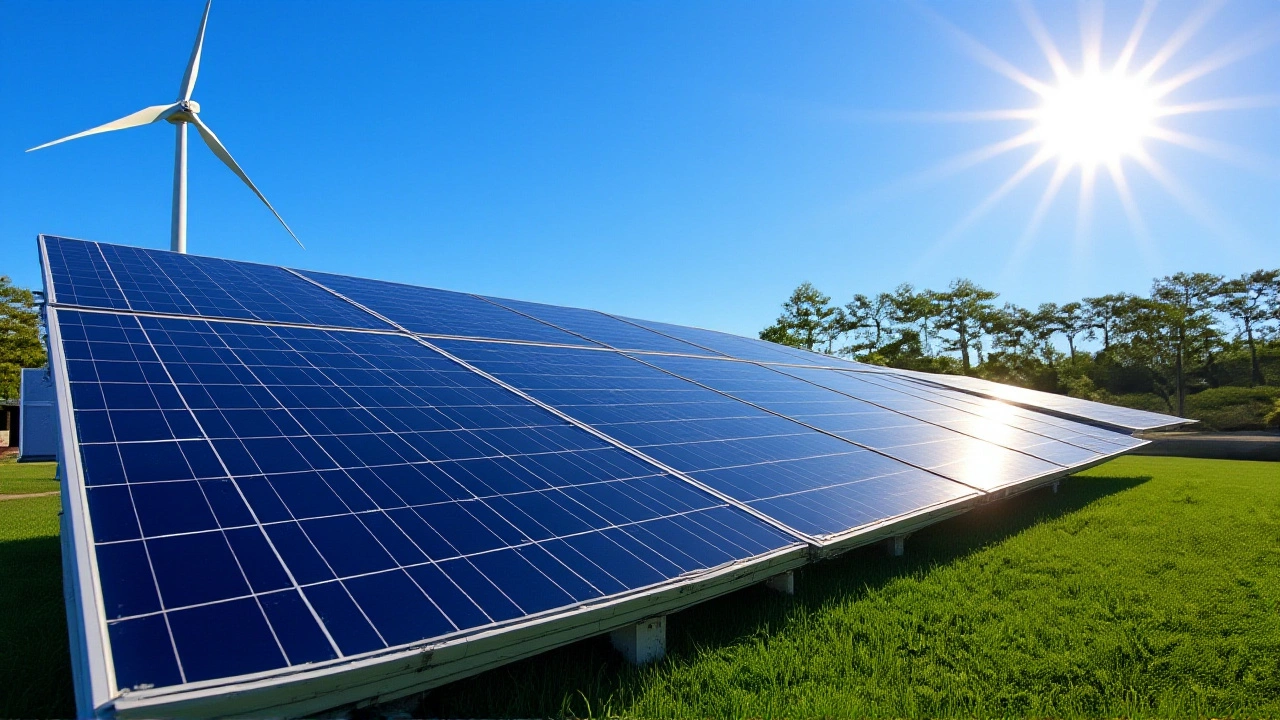
If you’re considering solar, don’t let the heat myth scare you off. Solar energy remains one of the most cost-effective ways to generate electricity, even in hot regions. The key is realistic expectations. Your system will produce its peak rated power on bright, cool days—not necessarily the hottest days of the year.
When discussing estimates with installers, ask them to factor in local climate data, including average summer temperatures. Reputable companies use software that models these temperature effects, giving you a more accurate picture of annual production rather than just relying on nameplate capacity.
Frequently Asked Questions
Do solar panels stop working in extreme heat?
No, solar panels do not stop working in extreme heat. They continue to generate electricity as long as there is sunlight. However, their efficiency decreases as temperatures rise, meaning they produce less power per hour of sunshine compared to cooler conditions. Most panels are designed to operate safely up to very high temperatures (often around 85°C or 185°F) without damage.
How much power do I lose due to heat?
Typically, you lose between 0.3% and 0.5% of power output for every degree Celsius above 25°C. In a hot summer day where cell temperatures reach 65°C, this could result in a 12% to 20% reduction in instantaneous power output compared to the panel's rated capacity. Annual energy production is less affected because cooler months compensate for summer losses.
Can I improve my panel's performance in hot weather?
Yes, improving ventilation is the most effective method. Ensure your mounting structure allows air to flow freely underneath the panels. Keeping the panels clean also helps, as dust traps heat. If you're installing new panels, choose models with a lower temperature coefficient, which indicates better performance in high-heat environments.
Is heat damaging to solar panels over time?
Moderate heat does not significantly degrade panels faster than normal aging. However, extreme and rapid temperature fluctuations (thermal cycling) can cause stress on materials over decades. Modern panels are tested rigorously for thermal endurance. The primary concern with heat is reduced daily output, not accelerated physical failure.

Aarav Menon
I'm Aarav Menon, an experienced journalist and news enthusiast with a passion for Indian news. I have spent years honing my skills in journalism and have developed a deep understanding of the Indian political, social, and economic landscape. Through my writing, I strive to bring accurate, informative, and engaging news stories to my readers, focusing on topics that matter to them. I believe in the power of the written word to inform and inspire, and I am committed to using my expertise to make a difference in the world of news.